

Home | Consultancy and Engineering Insights | Proven Methods – PPS
Home | Consultancy and Engineering Insights | Proven Methods – PPS
%article_excerpt%
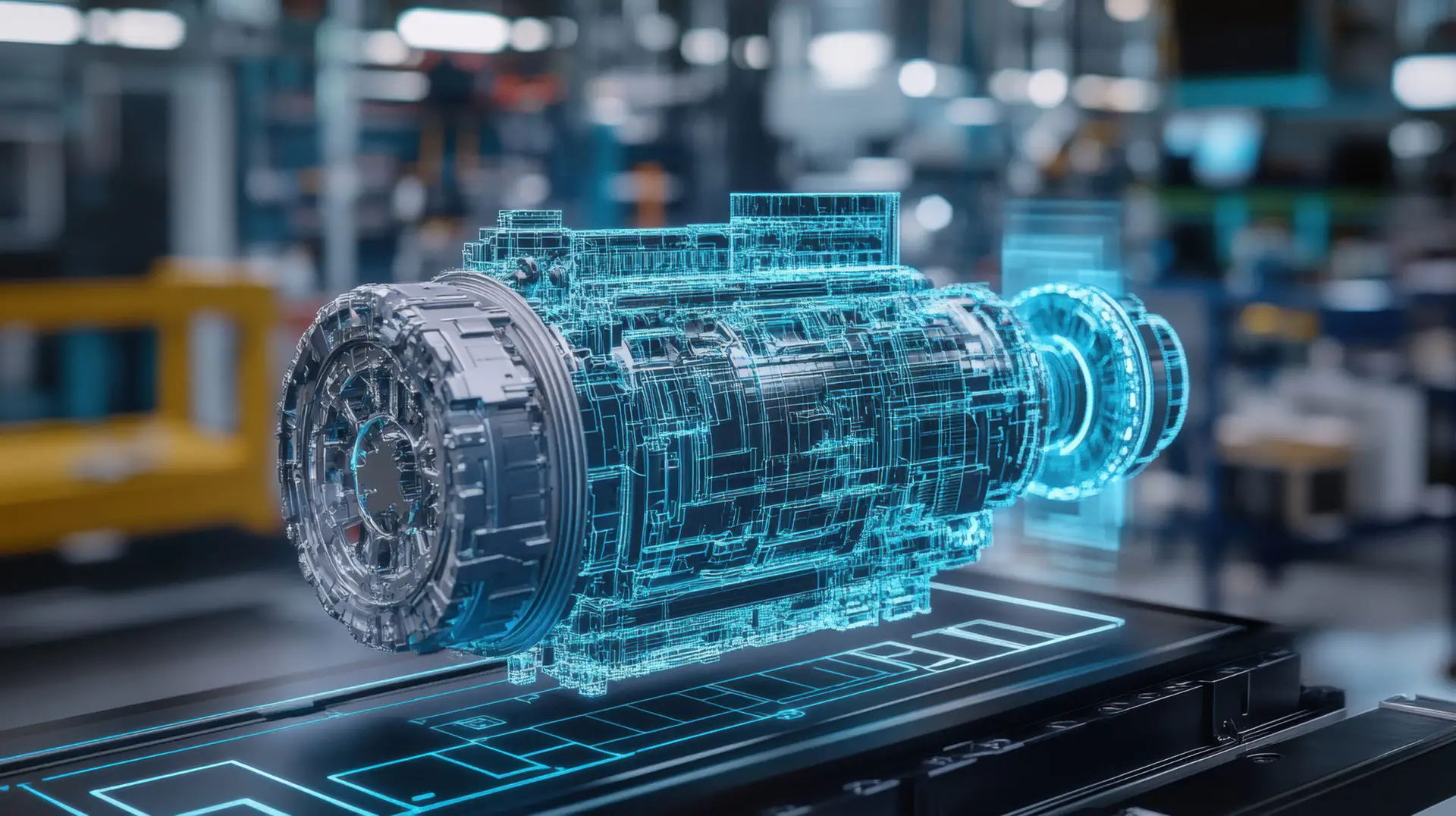
Unverified simulations cause 25% more design errors and costly redesigns. Master simulation validation, verification, and interpretation to ensure trustworthy results.
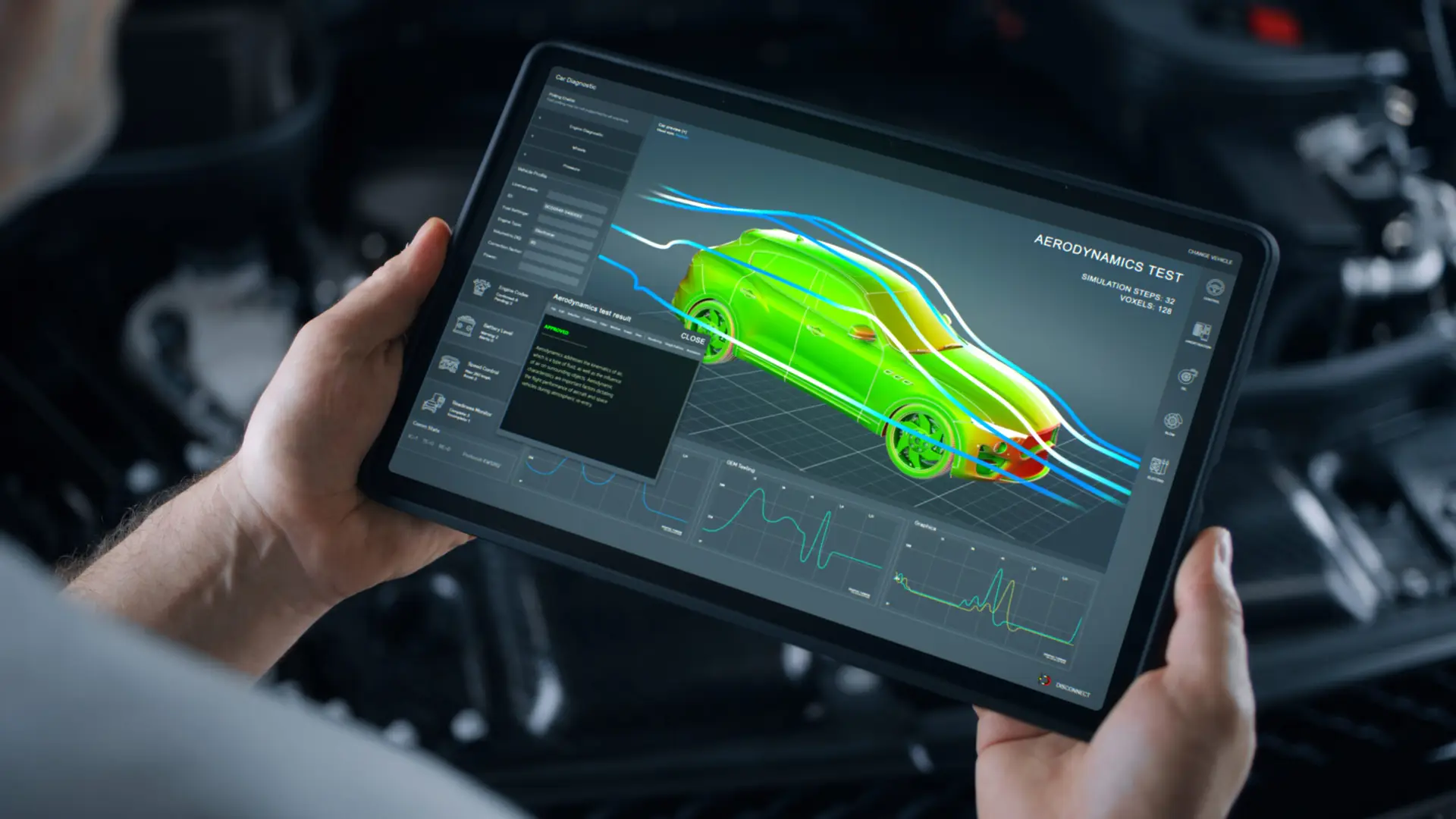
Simulation-driven product development cuts prototyping costs by 76% and reduces time-to-market by 75%. Improve quality to 90% with CFD and FEA analysis services.

Capital investment analysis requires precise tools: Payback Period, ROI, NPV, and IRR. Learn how financial analysis services optimize investment decisions for growth.
Engineers and manufacturers struggle to stay current with the engineering design process as methods evolve rapidly. Finding reliable, practical guidance on modeling and simulation techniques often means sifting through outdated articles or overly academic content that doesn’t address real-world production challenges.
This knowledge gap costs companies significantly. According to McKinsey’s manufacturing productivity research, organizations using outdated design approaches experience 30% longer development cycles and 25% higher prototype costs. Without access to current manufacturing industry trends, teams risk falling behind competitors who leverage modern consulting engineers and simulation-driven workflows.
“The Engineering Edge” by Pure Prime Solutions delivers curated insights on product design and development from aerospace-certified experts. Our blog covers environmental sustainability strategies, engineering project management best practices, and emerging technologies—all written for practitioners, not academics. Each article provides actionable guidance you can apply immediately, backed by data from NIST’s manufacturing research.
Subscribe to access resources that transform how your team approaches complex design challenges.
Most engineering blogs focus narrowly on single topics, forcing readers to visit multiple sources to understand the complete engineering design process. This fragmented approach wastes time and creates gaps in knowledge when modeling and simulation connect to manufacturing execution.
Fragmented learning leads to fragmented results. Teams that lack integrated knowledge across product design and development stages make costly mistakes at handoff points. Research from Deloitte’s manufacturing outlook shows that 67% of project delays stem from disconnected workflows among the design, simulation, and production phases.
The Engineering Edge organizes content across seven integrated categories: Design & Innovation, Simulation & Analysis, Sustainability, Industry Trends, Project Management, Expert Insights, and Leadership & Collaboration. Our consulting engineers cover everything from environmental sustainability practices to engineering project management techniques.
This comprehensive approach, aligned with ASME’s engineering standards, ensures you gain connected knowledge that improves outcomes across your entire manufacturing industry workflow.
Engineers face pressure to master the engineering design process as technology evolves faster than traditional training can keep pace. Skills in modeling and simulation that were cutting-edge five years ago now represent baseline expectations, leaving professionals scrambling to stay relevant.
The talent gap is widening. According to Deloitte’s human capital trends, manufacturing faces 2.1 million unfilled positions by 2030 because existing workers lack modern skills. Engineers who don’t continuously develop expertise in product design and development risk being passed over for promotions or replaced by those who do.
The Engineering Edge builds career-advancing skills through practical content from experienced consulting engineers. Learn environmental sustainability approaches that align with corporate priorities, plus engineering project management techniques that position you for leadership roles. Our articles on manufacturing industry trends help you anticipate shifts before they happen.
Each piece draws from Bureau of Labor Statistics engineering data, ensuring relevance to today’s competitive job market.
Staying informed about the engineering design process requires constant monitoring of multiple sources. Engineers waste hours each week searching for reliable information on advances in modeling and simulation, often finding content that’s too basic, too theoretical, or already outdated by the time it’s published.
Information overload creates decision paralysis. The World Economic Forum’s future of jobs report notes that professionals spend 20% of their week searching for information. For engineers tracking product design and development trends, this translates to nearly a full workday lost weekly—time that could go toward actual project execution.
The PPS Newsletter curates the week’s most important insights directly to your inbox every Tuesday. Our consulting engineers filter manufacturing industry trends, environmental sustainability developments, and engineering project management innovations so you don’t have to. Each edition includes actionable takeaways, not just headlines. Content aligns with standards from ISO’s engineering management frameworks.
Subscribe free today and reclaim your time while staying ahead of industry shifts.
Integrating environmental sustainability into the engineering design process creates tension between eco-friendly goals and budget constraints. Many teams view sustainable practices as cost additions rather than value drivers, struggling to balance emissions reduction with product design and development timelines.
This misconception proves costly. Research from the World Economic Forum’s circular economy report shows that companies that ignore sustainability face 25% higher long-term material costs and increased regulatory penalties. Meanwhile, competitors leveraging modeling and simulation for eco-optimization capture market share from buyers prioritizing manufacturing industry trends toward greener supply chains.
PPS consulting engineers embed environmental sustainability directly into every project phase—not as an afterthought. Our approach uses virtual testing to reduce the need for physical prototypes by 51%, cutting material waste and accelerating timelines. Engineering project management frameworks ensure sustainability targets align with business objectives.
We follow the IEA’s industrial efficiency standards and the EPA’s sustainable manufacturing resources, delivering product design and development outcomes that meet both profitability and environmental responsibility.
Understanding how simulation fits into the engineering design process remains challenging for many teams. While modeling and simulation tools have become more accessible, knowing when and how to apply virtual testing effectively requires expertise that most organizations lack internally.
Poor simulation strategy wastes resources. According to Siemens’ digital twin research, companies that use simulation incorrectly see only 15% of potential benefits, while proper implementation delivers 51% in cost reductions. Without guidance from experienced consulting engineers, teams risk investing in tools they can’t leverage effectively for product design and development.
The Engineering Edge provides practical simulation content for every experience level. Learn how digital twins integrate with environmental sustainability goals, significantly reducing physical prototypes and material waste. Our engineering project management articles show how to incorporate virtual testing into existing workflows without disruption.
Insights align with Hexagon’s digital twin statistics and current manufacturing industry trends, ensuring you apply proven approaches rather than experimental techniques to your projects.