
Home | Expert CFD Consulting Services | Cut Flow Failures 35% – PPS
Home | Expert CFD Consulting Services | Cut Flow Failures 35% – PPS
CFD consulting services catch hidden flow problems before they become expensive production failures. Using computational fluid dynamics simulations, our engineers model fluid behavior, pressure distribution, and thermal interactions throughout your entire system. This flow-simulation approach identifies bottlenecks, recirculation zones, and heat-dissipation issues that single-physics tools miss entirely. CFD analysis services from PPS go beyond surface-level modeling.
Our CFD thermal analysis combines the Navier-Stokes equations with conjugate heat transfer to accurately predict real-world performance. When projects require structural validation, our integrated FEA and CFD capabilities capture multiphysics interactions that cause 35% of late-stage failures. CFD modeling validates designs against ASHRAE thermal comfort standards before you commit to tooling.
Manufacturers seeking cost reduction through simulation report 51% fewer prototypes and 54% faster time-to-market using our methodology. Our dual-patent approach to computational fluid dynamics prevents the $500K+ retrofits that plague projects relying on physical testing alone.
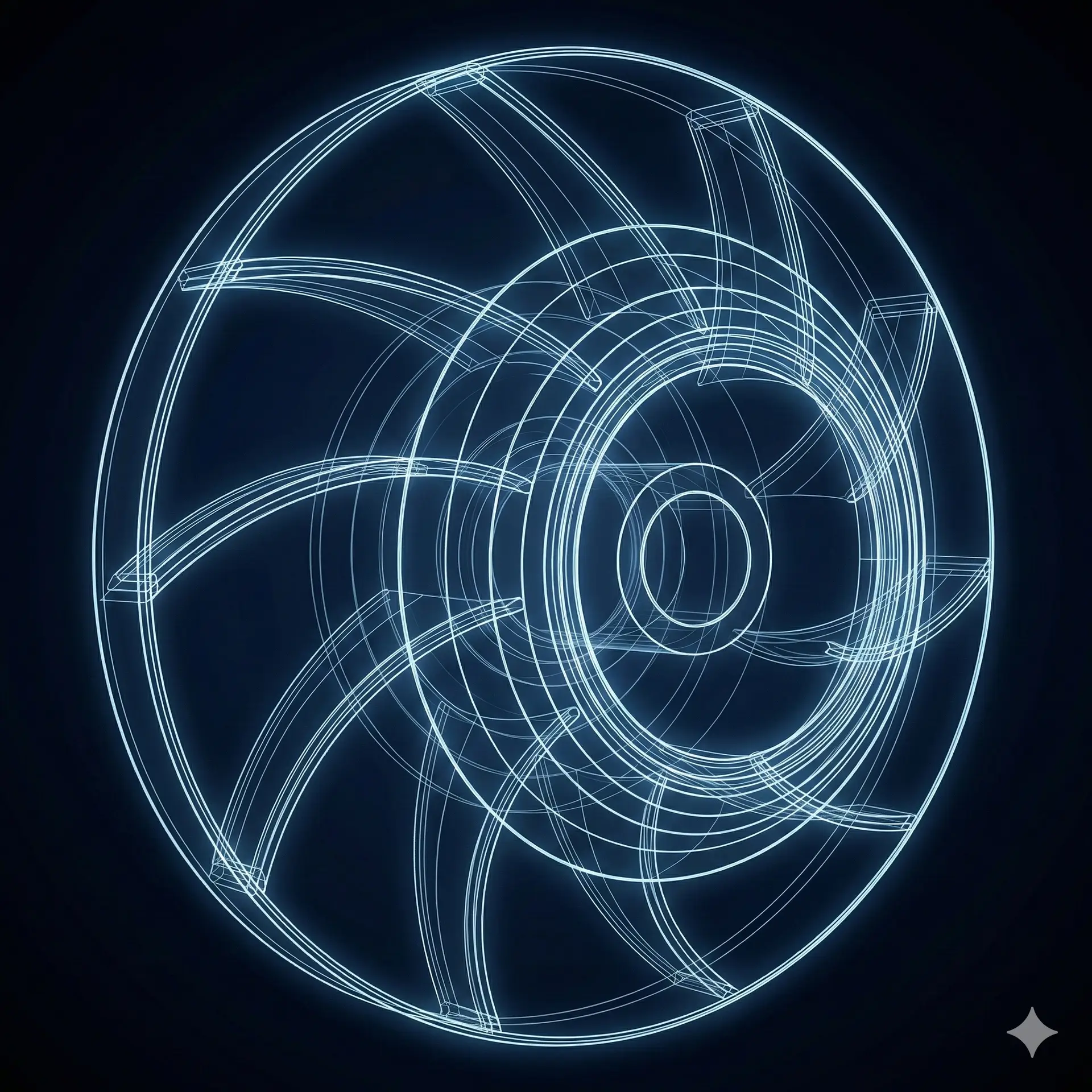
Geometry cleanup & simulation scope
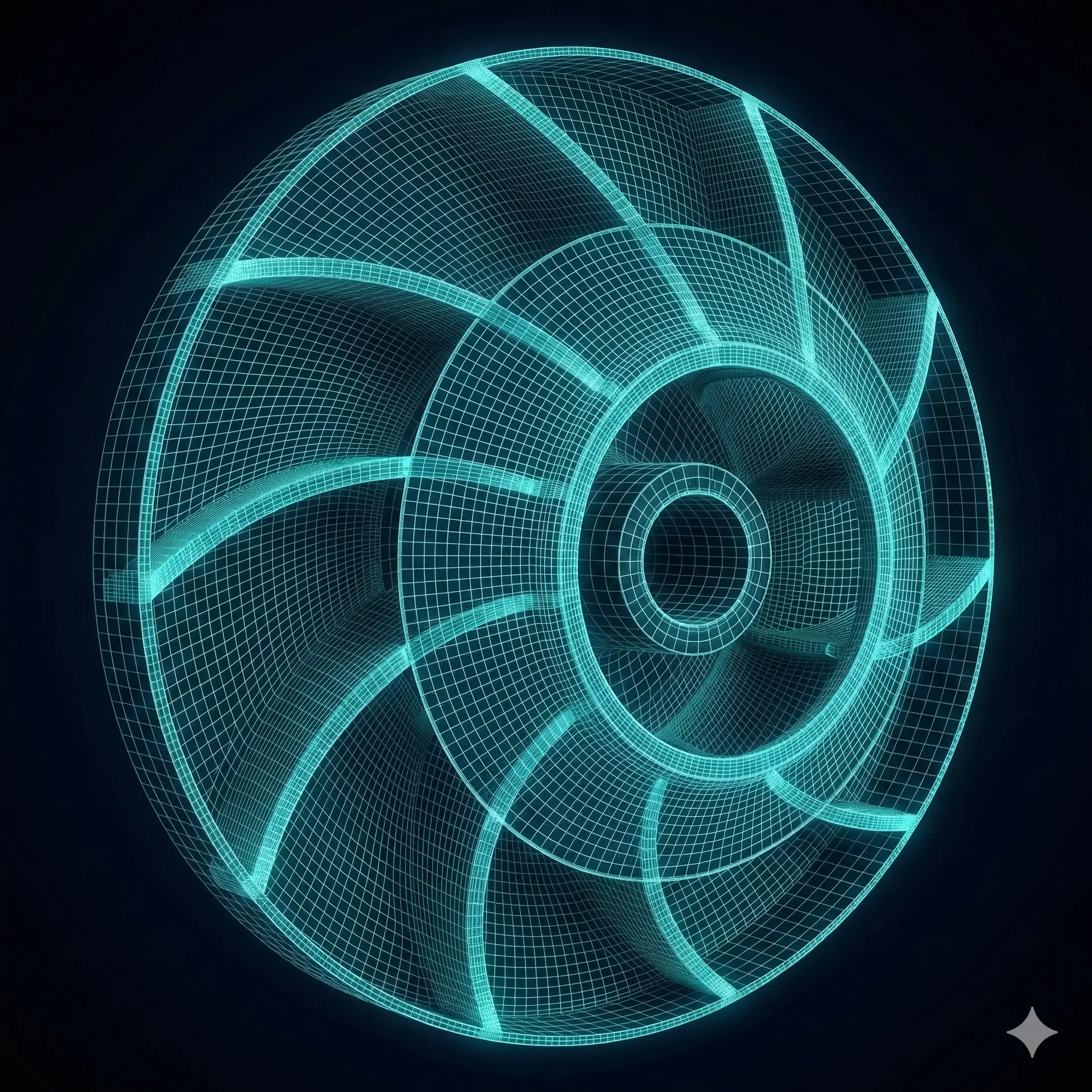
Turbulence modeling & grid testing
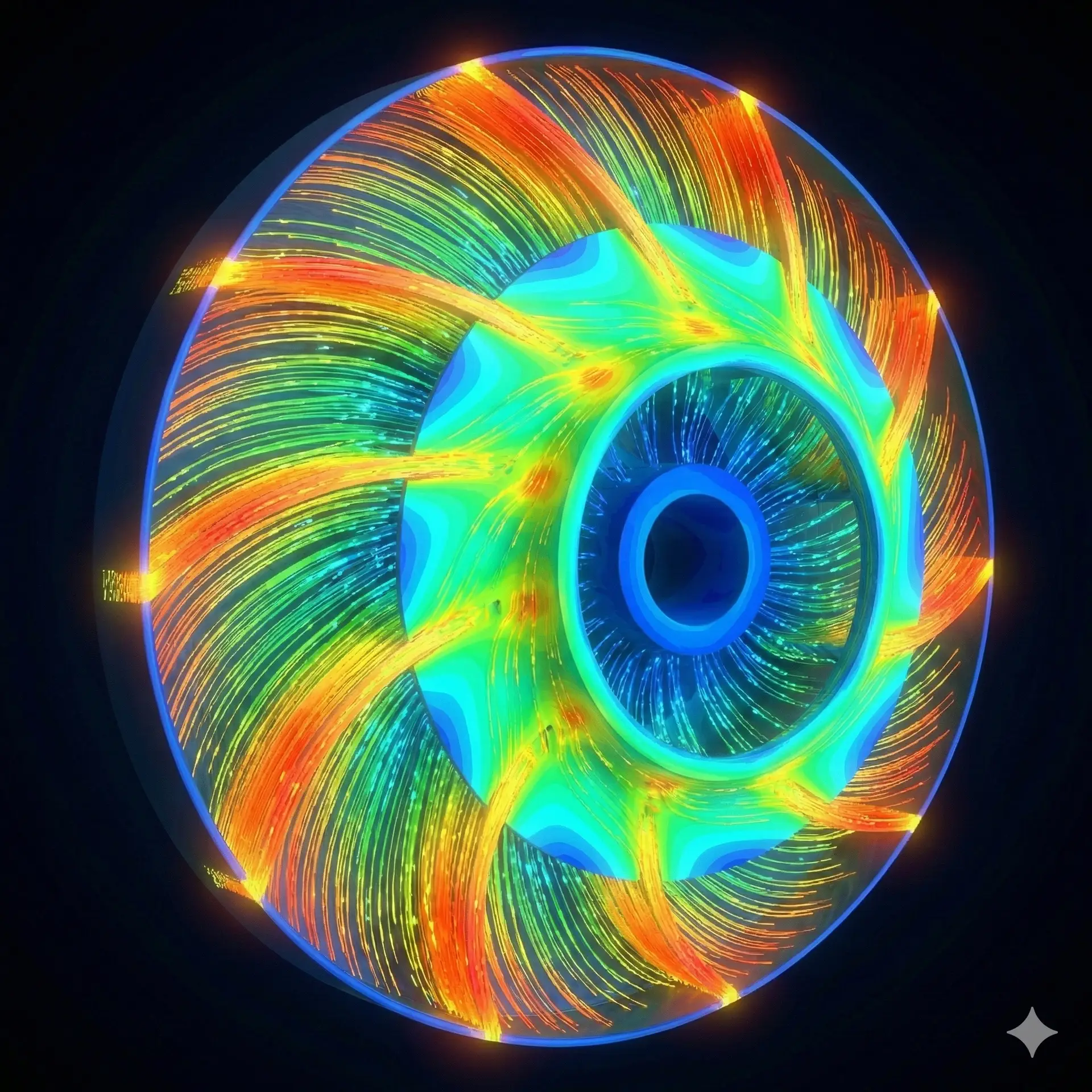
Execution & physical correlation
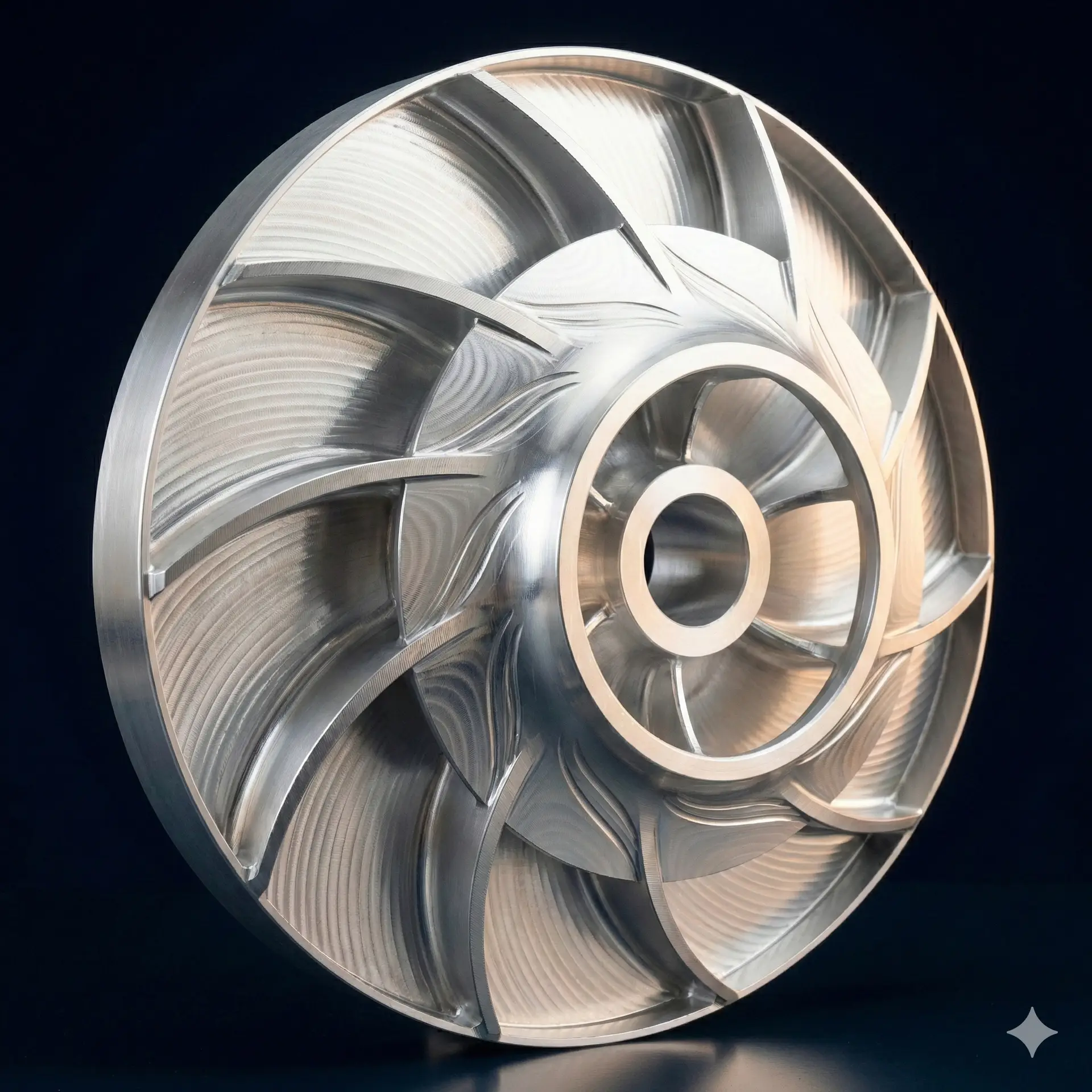
Optimized design ready for production
CFD consulting services begin with understanding your specific flow challenge. Our engineers review your geometry, operating conditions, and performance targets to define simulation objectives that address your design concerns.
We import your CAD files and run automated cleanup to eliminate geometry errors that cause mesh failures. Our CFD analysis services team defines boundary conditions, selects appropriate physics models, and identifies critical regions requiring mesh refinement. This systematic approach prevents simulation restarts that waste your project timeline.
You receive a detailed simulation plan before analysis begins. Our concurrent mesh generation process reduces setup time by 40% compared to traditional sequential workflows. Every assumption is documented, so you understand exactly what the simulation will test and why.
Accurate CFD results depend on the proper selection of the turbulence model and mesh quality. Our engineers match modeling approaches to your specific flow physics—laminar, transitional, or fully turbulent conditions.
We apply RANS models for steady-state industrial flows and LES methods for transient aeroacoustic problems. Our thermal analysis capabilities integrate conjugate heat transfer when thermal effects drive your design. Mesh independence studies verify that results do not change with further refinement. Grid convergence index calculations quantify numerical uncertainty.
You receive simulation results with documented accuracy metrics. Our mesh independence testing proves your results are grid-independent—not artifacts of insufficient resolution. Engineers skeptical of CFD accuracy see exactly how we validate numerical predictions before trusting them for design decisions.
Computational fluid dynamics consulting requires validation against real-world data. Our simulations follow ASME V&V 20 verification and validation methodology to ensure predictions match physical behavior.
We execute simulations using converged solver settings and monitor residuals to confirm solution stability. When physical test data are available, we correlate CFD predictions with measured values—pressure drops, flow rates, temperatures. Our aerospace applications work demonstrates correlation with wind tunnel measurements within 5% for aerodynamic coefficients.
You receive validated results you can trust for design decisions. Correlation reports show exactly how simulation predictions compare to physical tests. This transparency addresses engineer skepticism—you see the methodology, the data, and the accuracy metrics that prove our predictions are reliable.
CFD analysis does not end with a report. Our engineers provide actionable recommendations and support your team through design iterations until your final product achieves optimized performance.
We identify flow improvements—geometry changes, inlet configurations, cooling strategies—that address your performance gaps. Our team re-runs simulations on modified designs to verify improvements. You have direct access to the engineers who analyzed your original model. This continuity eliminates the knowledge gaps that occur when projects change hands between teams.
You launch with validated, optimized flow performance. Our clients achieve a 54% faster time-to-market through virtual iteration rather than physical prototype cycles. Ready to start? Schedule your free CFD assessment to identify flow-optimization opportunities specific to your design.
CFD consulting services require a precise selection of the turbulence model—the wrong choice can produce misleading results. Engineers face dozens of options: k-epsilon, k-omega SST, Spalart-Allmaras, Reynolds Stress, and Large Eddy Simulation. Each model has assumptions that may not match your specific flow physics.
Generic vendors often default to k-epsilon for everything, regardless of flow complexity. According to AIAA CFD best practices guidelines, inappropriate model selection is a leading cause of simulation-to-test discrepancies. Separated flows, rotating machinery, and heat transfer problems each demand specific approaches that generalist firms frequently miss.
Our engineers evaluate your flow regime—Reynolds number, boundary layer behavior, separation likelihood, and heat transfer coupling—before selecting models. Our CFD consulting services apply ASME V&V 20 verification standards to validate model accuracy against benchmark cases. For aerospace aerodynamics, we typically use the SST k-omega model. For turbomachinery, Reynolds Stress models.
For transient acoustics, LES methods capture unsteady phenomena that RANS approaches miss entirely.
Computational fluid dynamics projects often stall due to file format compatibility issues. Engineers worry their proprietary CAD system will create translation errors or require expensive conversions. Poor geometry quality causes mesh failures that delay project timelines and add unexpected costs before simulation work even begins.
According to NAFEMS simulation best practices, CAD translation issues cause 15-20% of CFD project delays. STEP and IGES files frequently lose feature data. Native files from different CAD versions create compatibility problems. Without automated cleanup tools, engineers spend hours fixing geometry defects that should never reach the meshing stage.
We accept all major formats: CATIA, NX, SolidWorks, Creo, STEP, IGES, Parasolid, and STL. Our automated geometry cleanup identifies and repairs gaps, overlaps, and sliver surfaces before meshing begins. We process native files directly whenever possible to preserve design intent and feature data.
Geometry preparation is included in our standard workflow—no surprise charges for CAD cleanup that delays your timeline.
Engineers rightfully question CFD accuracy before committing budget to simulation services. Without proper validation, computational fluid dynamics can produce results that look professional but fail to predict real-world performance. The gap between simulation and physical testing determines whether virtual prototyping actually reduces development costs.
Industry studies show poorly executed CFD can deviate 20-30% from physical test results. According to NASA’s CFD validation methodology, simulation accuracy depends entirely on mesh quality, boundary-condition accuracy, and the appropriateness of the turbulence model. Firms that skip validation steps produce reports that cannot support engineering decisions—forcing you back to physical testing anyway.
Our computational fluid dynamics services achieve 3-5% correlation with wind tunnel measurements for aerodynamic coefficients. We follow ASME V&V 20 standards for systematic verification and validation. Every simulation includes mesh-independence studies, boundary-condition sensitivity analyses, and correlation reports against available test data.
You receive documented accuracy metrics—not just colorful contour plots—so you can trust results for design decisions.
Our CFD consulting services timelines vary based on geometry complexity, physics requirements, and validation scope. Engineers need accurate schedule estimates to coordinate with product development milestones. Unrealistic timeline promises from vendors create downstream delays when simulations take longer than quoted.
Complex projects involving conjugate heat transfer, transient analysis, or multiple design iterations can significantly extend timelines. According to NAFEMS project guidelines, scope creep causes 40% of simulation project delays. Vendors who quote fast turnaround without understanding your physics requirements often deliver rushed results that require rework, costing more time than doing it right initially.
Standard single-component CFD analysis completes in 2-3 weeks. Complex assemblies with thermal coupling require 3-4 weeks. Full design optimization studies with multiple iterations take 4-6 weeks or longer. We provide detailed project schedules during scoping—before you commit. Our concurrent mesh generation reduces setup time by 40%, and we staff projects to meet your deadlines.
Rush delivery available for time-critical programs at premium rates.
Defense contractors need CFD consulting services providers that comply with the International Traffic in Arms Regulations. ITAR violations carry severe penalties—fines up to $1 million per violation and potential criminal prosecution. Engineers cannot send controlled technical data to vendors without a verified security infrastructure and compliance protocols in place.
According to the State Department ITAR regulations, defense-related technical data requires specific handling, storage, and access controls. Many simulation vendors lack the infrastructure to accept ITAR-controlled geometry files. Discovering compliance gaps mid-project forces you to restart with qualified vendors—wasting weeks and compromising program schedules.
Pure Prime Solutions is SDVOSB-certified and maintains a secure infrastructure for defense CFD programs. Our team includes engineers with defense-industry experience across aerospace, naval, and ground-vehicle applications. We implement data-handling protocols that comply with ITAR requirements for controlled technical data.
Government prime contractors and defense OEMs trust our computational fluid dynamics services for programs requiring security clearance and export control compliance.
CFD results can change dramatically with mesh density—coarse meshes miss flow details while excessive refinement wastes computational resources. Engineers need confidence that simulation predictions reflect actual physics rather than numerical artifacts from insufficient grid resolution. Mesh independence separates credible analysis from expensive guesswork.
According to ASME V&V 20 verification guidelines, mesh-dependent results are the leading cause of CFD credibility failures. Many vendors deliver results from single mesh runs without convergence studies. These reports may satisfy visual inspection, but cannot withstand technical scrutiny during design reviews or certification processes where documented mesh independence is required.
Every computational fluid dynamics project includes systematic mesh independence studies. We run a minimum of three mesh densities—coarse, medium, and fine—to calculate the Grid Convergence Index per Roache’s established methodology. GCI values below 5% confirm resolution-independent results.
You receive a documented mesh sensitivity analysis showing exactly how predictions change with refinement. This transparency proves your results are physics-driven, not mesh-driven.